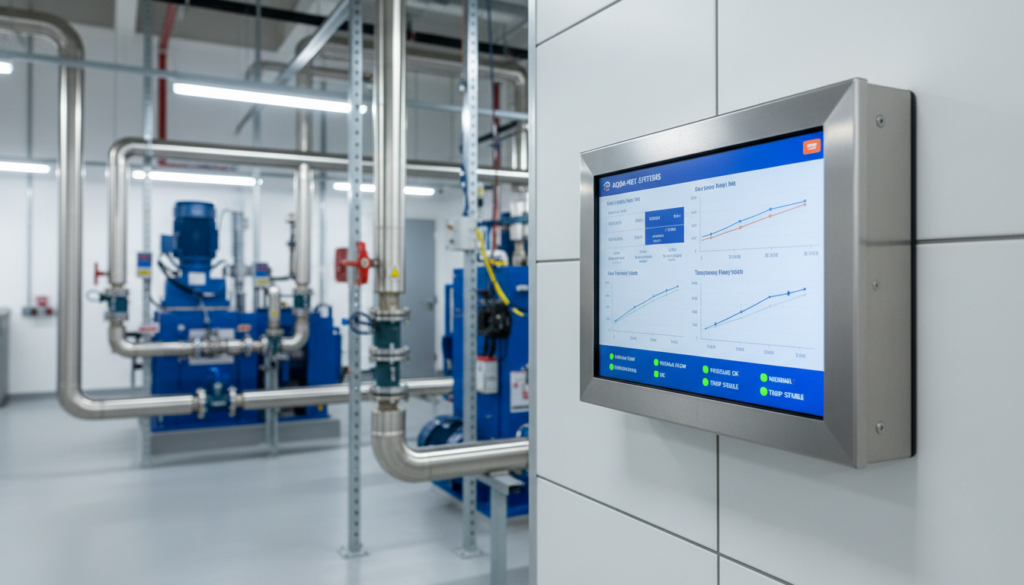
How RPM Water Monitoring Actually Works
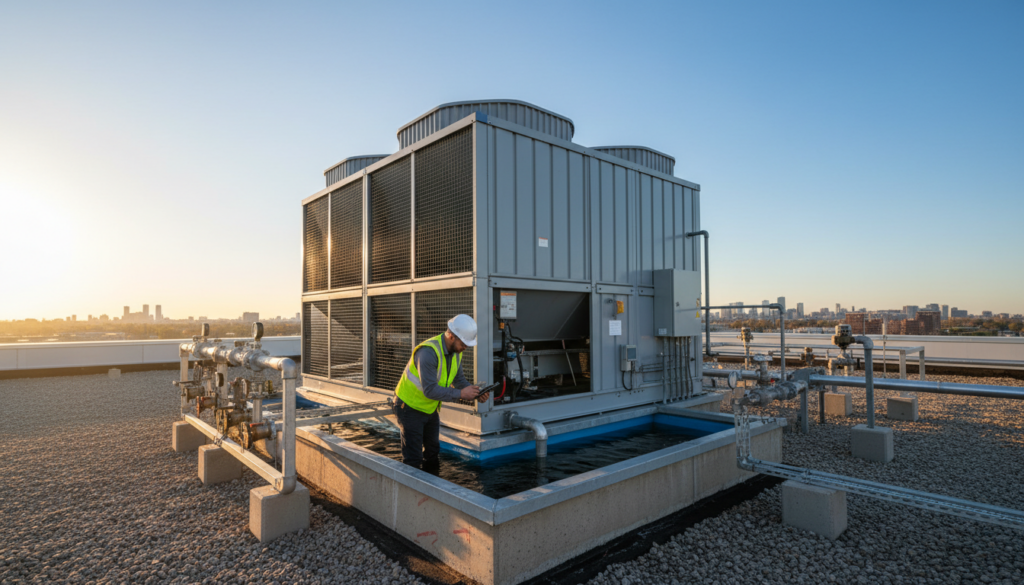
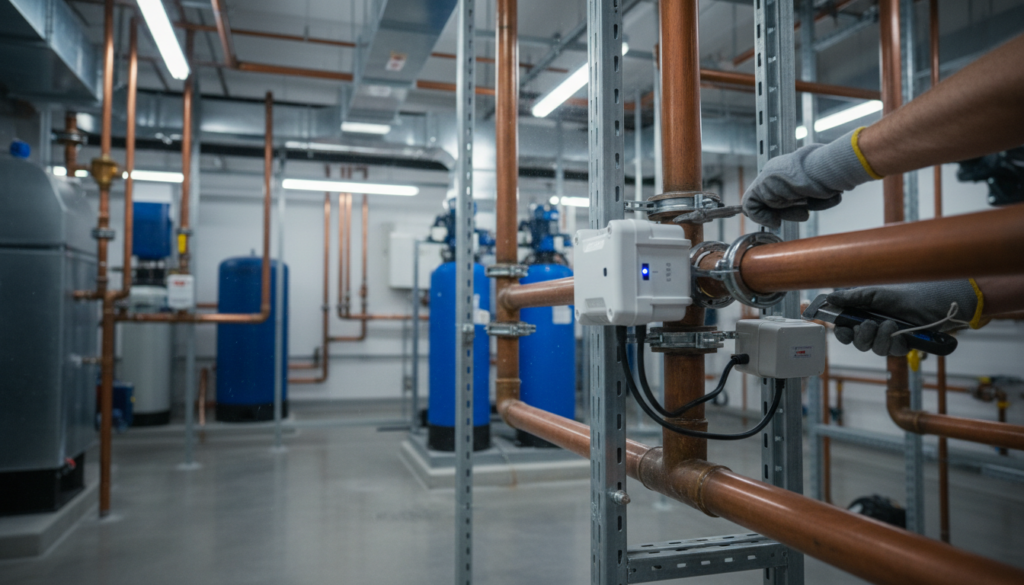
RPM installs meters, collects data, handles utility paperwork, and manages your credit program end to end. Here is exactly how it works.
RPM installs meters, collects data, handles utility paperwork, and manages your credit program end to end. Here is exactly how it works.
Water monitoring and sewer credit programs deliver measurable ROI. See real savings ranges, payback periods, and how to evaluate the investment.
A 500 ton cooling tower can use over 1 million gallons per year. Learn how to calculate your tower’s water consumption and where the water actually goes.
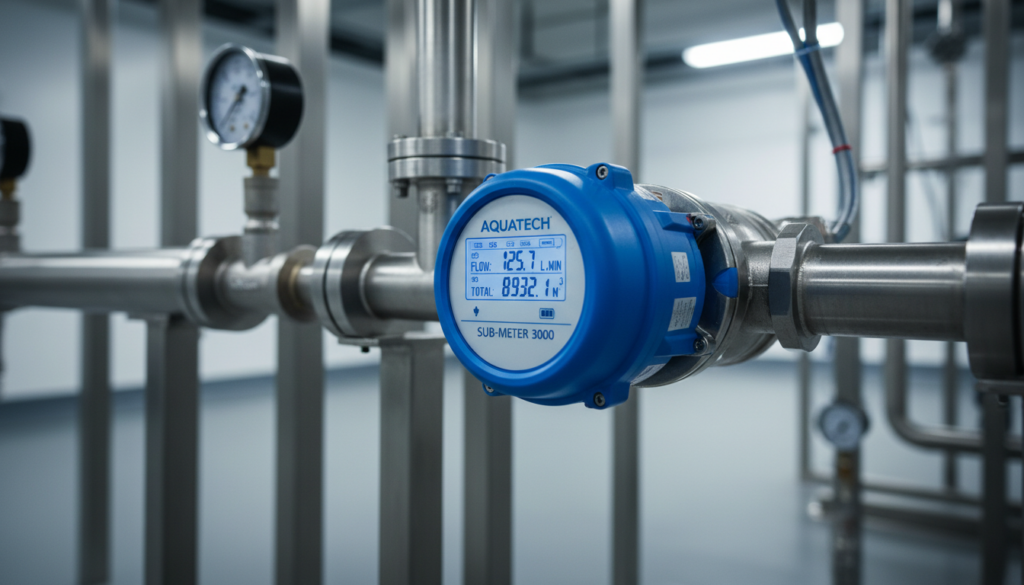
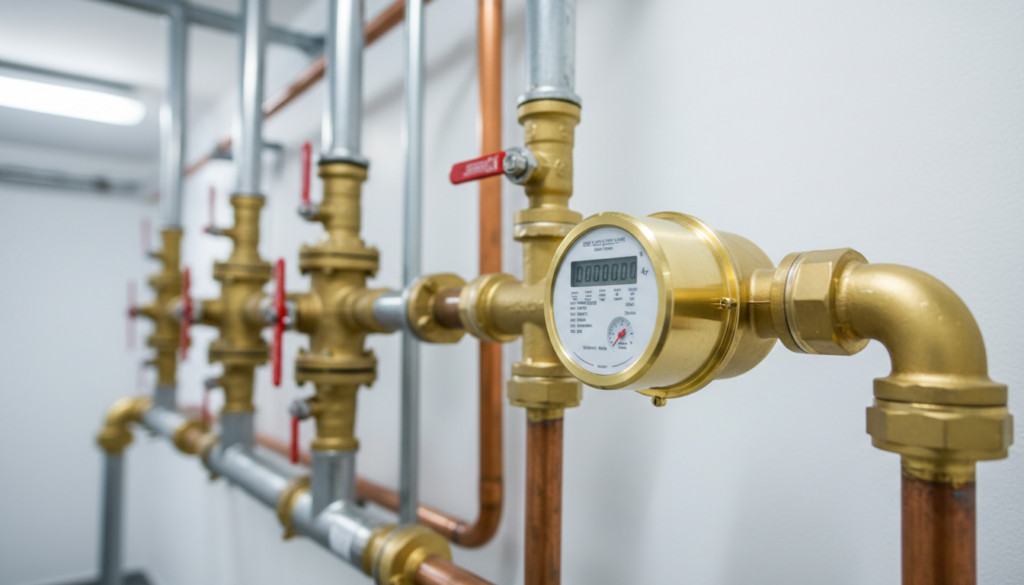
Submetering is the foundation of sewer credit documentation. Learn what meters you need, where they go, and how the data supports your credit application.
Not sure if your cooling tower qualifies for sewer credits? Here is what utilities require and how to find out if your facility is eligible.
Utilities assume all water you buy exits as sewage. For most commercial buildings, that is wrong. Here is what to do about it.
Most commercial buildings overpay on sewer bills by 20 to 40 percent. Here is how the billing works and what it actually costs you.
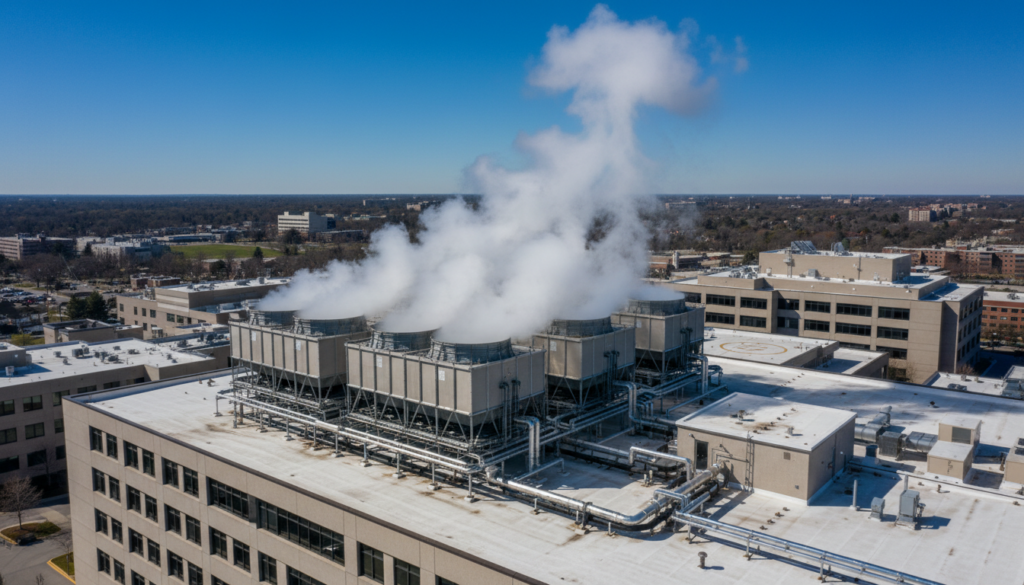
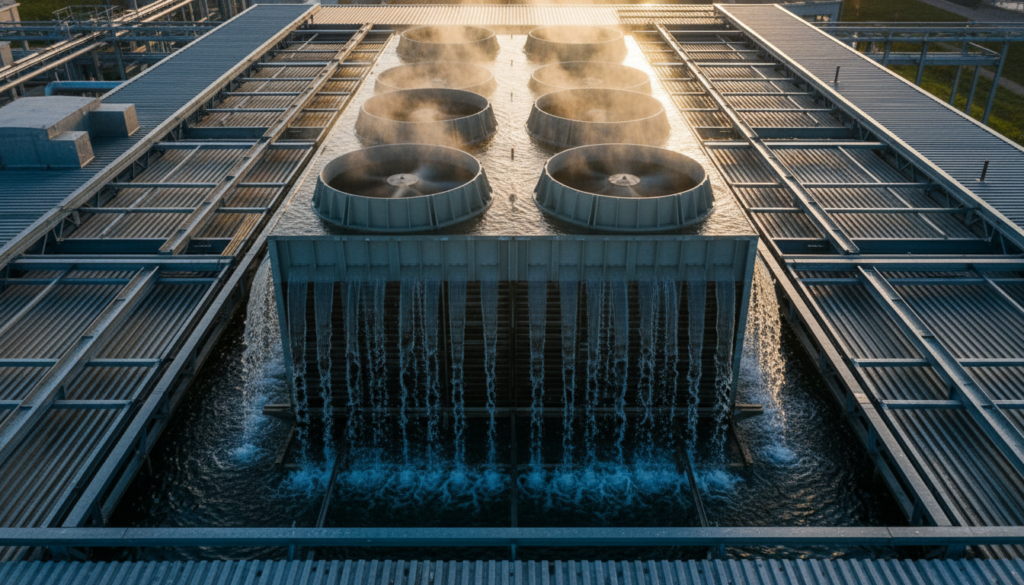
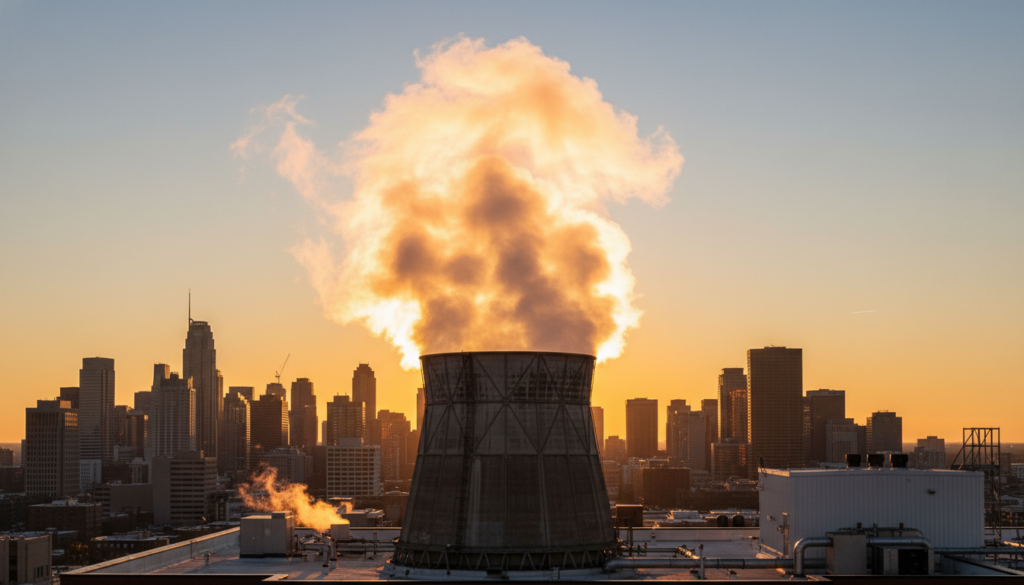
Commercial cooling towers lose thousands of gallons daily to evaporation, drift, and blowdown. Learn where water goes and what it costs your facility.
Learn how evaporation credits work, which facilities qualify, and how to recover costs for water that never reaches the sewer system.
Sewer credits are utility billing adjustments that lower sewer charges by excluding water that never enters the sanitary sewer system. Learn how they work and who qualifies.