What Happens If I Don’t Comply with BMP 10?
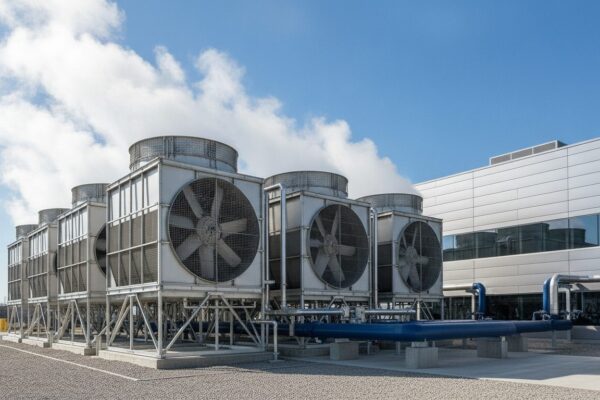
BMP 10 sets California’s cooling tower water efficiency standards. Learn what non-compliance means for your building and how to get into compliance.
Technical resources on cooling tower water consumption, evaporation rates, and operational efficiency. Calculation methods, rules of thumb, and water loss breakdowns for facility engineers and property managers.
BMP 10 sets California’s cooling tower water efficiency standards. Learn what non-compliance means for your building and how to get into compliance.
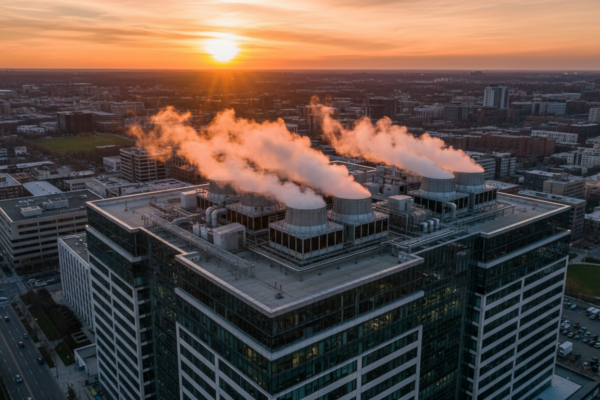
Where data center cooling water really goes: evaporation, blowdown, drift, and cycles of concentration, plus why evaporated gallons never reach the sewer.
A Legionella water management plan protects occupants and keeps your cooling tower compliant. See what’s required and how water monitoring supports it.
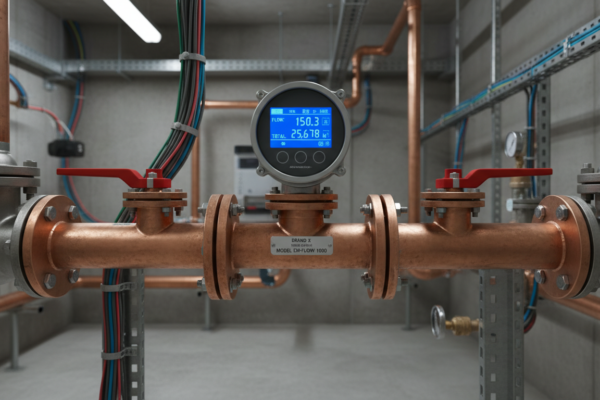
A makeup water meter measures fresh water entering your cooling tower. See where it goes, why it matters, and how it supports a sewer credit application.
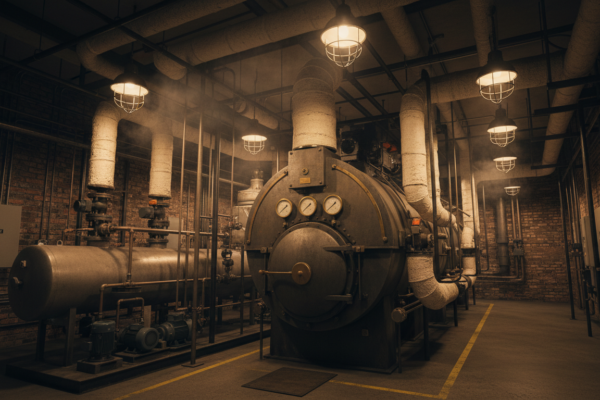
Sewer credits aren’t limited to cooling towers. Learn which boiler water losses qualify and how to document steam and condensate losses for credit applications.
Sample savings scenarios built from typical utility rates and benchmarks: what evaporation credits can deliver for retail, education and office buildings.
BMP 10 sets best management practices for cooling tower water use. Learn what it requires, how compliance works, and how monitoring helps you stay ahead.
Cooling towers consume thousands of gallons monthly through evaporation, blowdown, and drift. Learn how to calculate your tower’s actual water usage.
Stuck fill valves, overflow, and poor cycling waste thousands of gallons. Learn how to detect common cooling tower problems before they cost you.
Cooling tower sizing depends on your building’s heat load, climate and water conditions. Learn the key factors that set the size your facility needs.