How Do Multi-Site Property Managers Handle Sewer Credits?
Managing sewer credits across multiple properties requires a systematic approach. Learn how portfolio managers scale their credit programs efficiently.
Managing sewer credits across multiple properties requires a systematic approach. Learn how portfolio managers scale their credit programs efficiently.
Hotels have unique water uses that may qualify for sewer credits beyond cooling towers. Learn which hotel water uses qualify and how to document them.
BMP 10 sets California’s cooling tower water efficiency standards. Learn what non-compliance means for your building and how to get into compliance.
Sewer credit programs generate the metering data and water reduction metrics that strengthen your building’s ESG reporting. Learn how they connect.
Water usage effectiveness (WUE) explained: The Green Grid formula, site vs source WUE, industry averages, benchmarks, and how WUE ties to sewer savings.
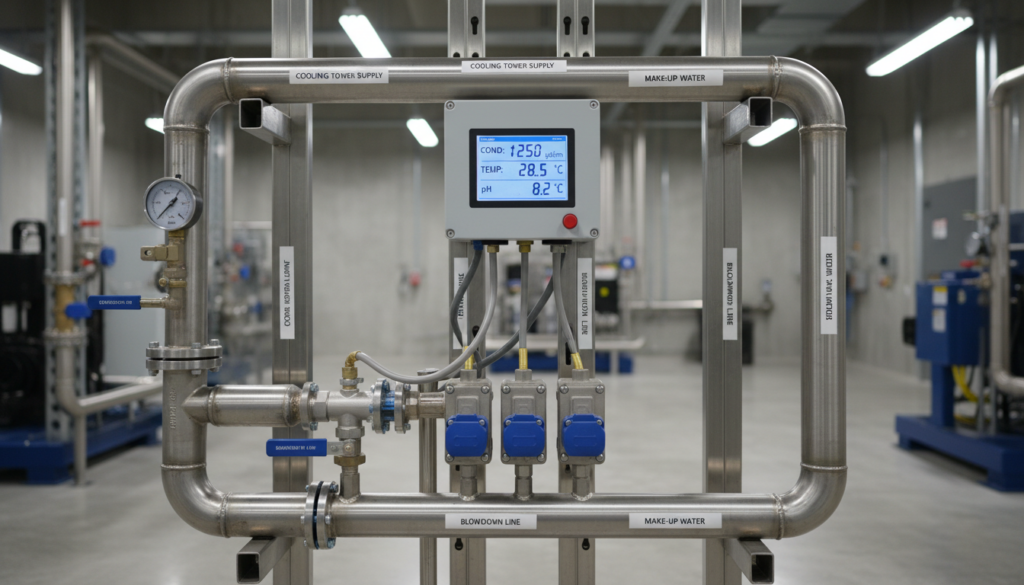
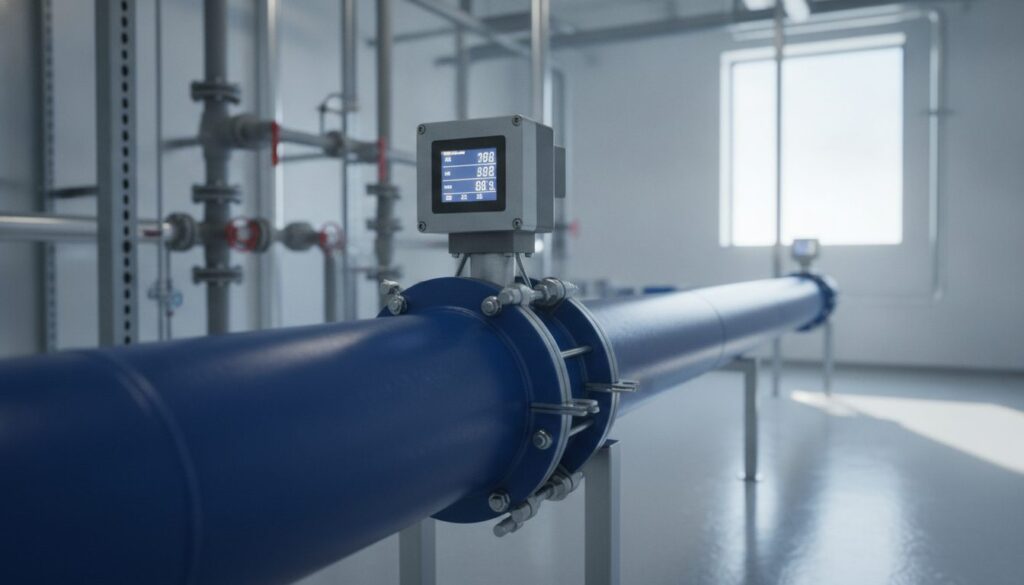
What to meter, which meter types to use, and the AWWA accuracy standards that apply: a practical data center water submetering guide for WUE and sewer credits.
Seven proven ways data centers can cut water and sewer costs, from evaporation credits and cycles of concentration to leak detection and reclaimed water.
Evaporative cooling sends most data center water into the air, yet sewer bills assume it all drains. See how evaporation credits recover the overpayments.
Where data center cooling water really goes: evaporation, blowdown, drift, and cycles of concentration, plus why evaporated gallons never reach the sewer.
US data centers used about 17 billion gallons of water in 2023. See per-facility benchmarks, WUE ranges, and why sewer bills overstate what you return.