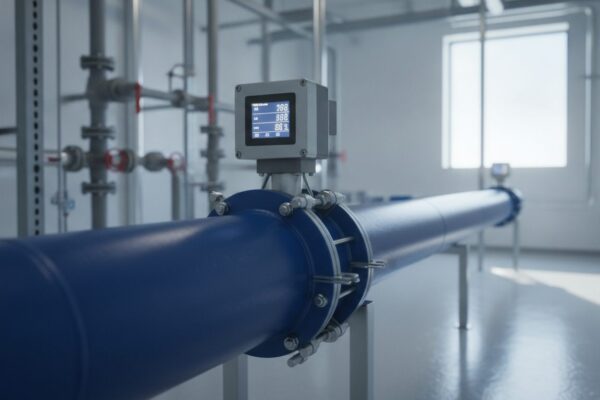
Water Submetering for Data Centers: A Practical Guide
What to meter, which meter types to use, and the AWWA accuracy standards that apply: a practical data center water submetering guide for WUE and sewer credits.
Practical guidance on submetering, water monitoring systems, and managed service programs for sewer credit compliance. Covers meter selection, installation, data collection, ROI analysis, and ongoing program management.
What to meter, which meter types to use, and the AWWA accuracy standards that apply: a practical data center water submetering guide for WUE and sewer credits.
Water usage effectiveness (WUE) explained: The Green Grid formula, site vs source WUE, industry averages, benchmarks, and how WUE ties to sewer savings.
Most utilities require meters to be within 2-5% accuracy for sewer credit applications. Learn the standards and how to keep your meters reading true.
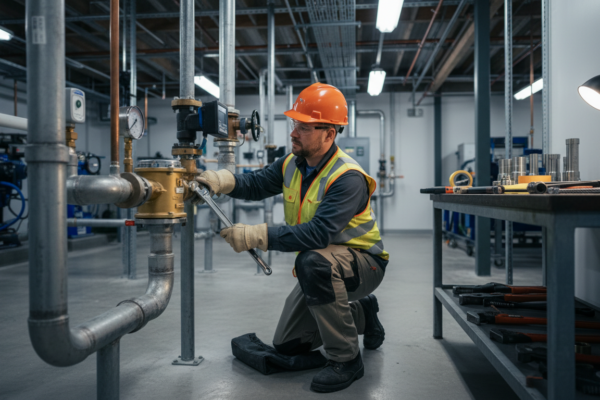
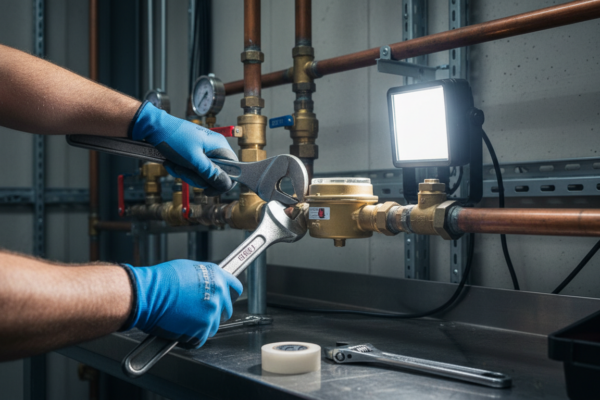
Submeter installation usually requires a plumber, but some cities require an engineer’s signoff. Learn who you need and when for your sewer credit project.
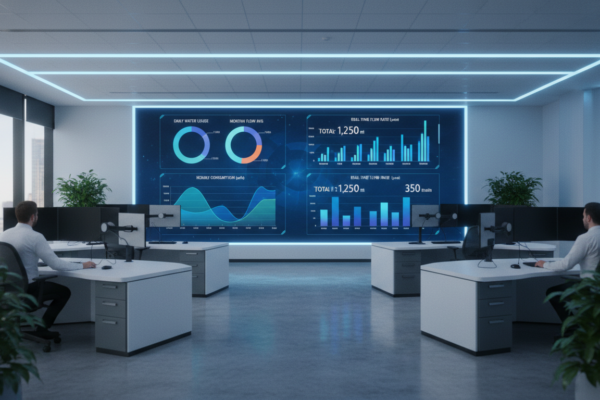
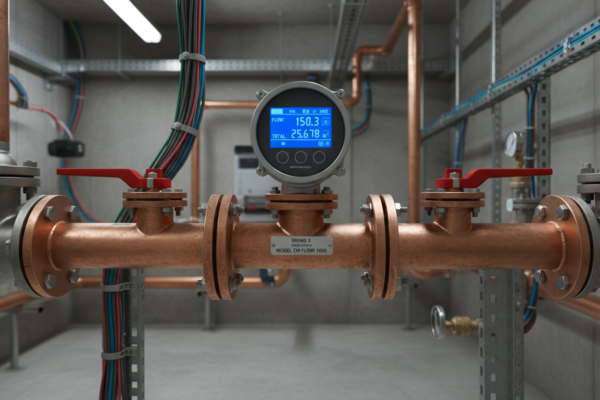
Real-time water monitoring uses smart meters and cloud dashboards to track use minute by minute. See how it works and why it matters for your building.
A makeup water meter measures fresh water entering your cooling tower. See where it goes, why it matters, and how it supports a sewer credit application.
Water submeter costs range from $500 to $5,000 depending on size and type. Learn what affects the price and why the ROI typically makes it a no-brainer.
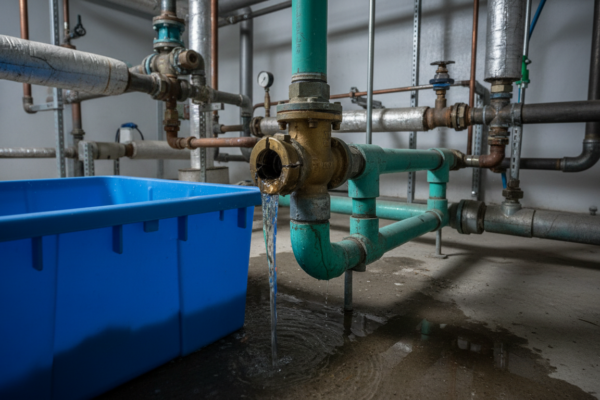
Stuck fill valves, overflow, and poor cycling waste thousands of gallons. Learn how to detect common cooling tower problems before they cost you.
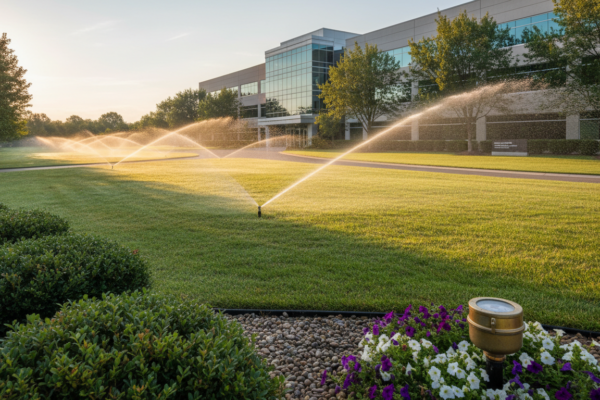
A dedicated irrigation meter separates landscape water from sewer-charged water. Learn whether it makes financial sense for your commercial property.
Hotels use large volumes of water for cooling, laundry, and landscaping. Learn how monitoring and sewer credits reduce costs behind the scenes.