How Do Multi-Site Property Managers Handle Sewer Credits?
Managing sewer credits across multiple properties requires a systematic approach. Learn how portfolio managers scale their credit programs efficiently.
Understand why commercial buildings overpay on sewer bills and how to fix it. Analysis of utility billing assumptions, sewer rate structures, savings calculations, and the financial case for water monitoring programs.
Managing sewer credits across multiple properties requires a systematic approach. Learn how portfolio managers scale their credit programs efficiently.
Hotels have unique water uses that may qualify for sewer credits beyond cooling towers. Learn which hotel water uses qualify and how to document them.
Sewer credit programs generate the metering data and water reduction metrics that strengthen your building’s ESG reporting. Learn how they connect.
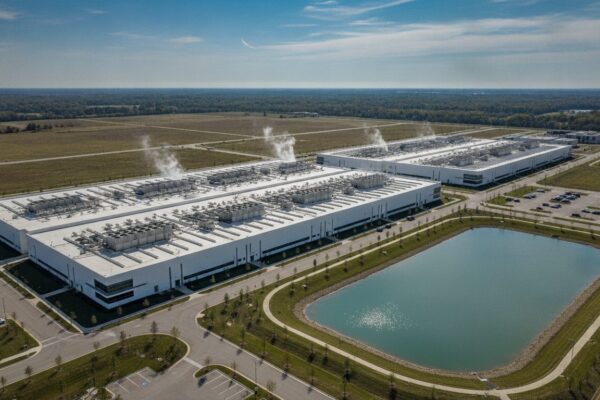
Seven proven ways data centers can cut water and sewer costs, from evaporation credits and cycles of concentration to leak detection and reclaimed water.
US data centers used about 17 billion gallons of water in 2023. See per-facility benchmarks, WUE ranges, and why sewer bills overstate what you return.
Sewer credits and LEED water efficiency credits overlap in powerful ways. Learn how your sewer credit program supports LEED certification goals.
Sample savings scenarios built from typical utility rates and benchmarks: what evaporation credits can deliver for retail, education and office buildings.
Water submeter costs range from $500 to $5,000 depending on size and type. Learn what affects the price and why the ROI typically makes it a no-brainer.
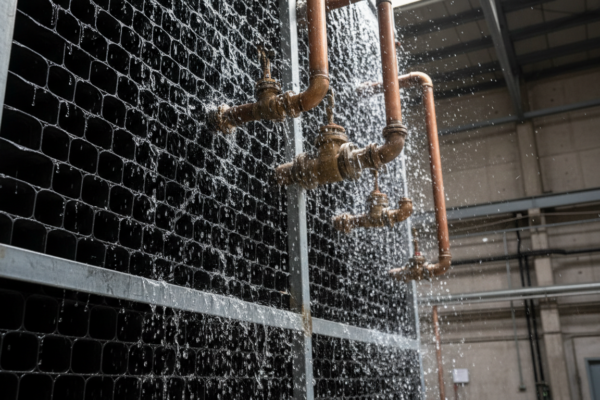
Cooling towers consume thousands of gallons monthly through evaporation, blowdown, and drift. Learn how to calculate your tower’s actual water usage.
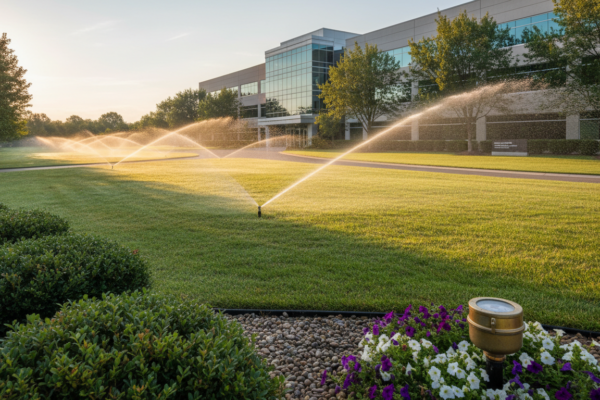
A dedicated irrigation meter separates landscape water from sewer-charged water. Learn whether it makes financial sense for your commercial property.