How RPM Water Monitoring Actually Works
Quick answer for busy professionals:
Most commercial facilities pay more for water and sewer service than they should. The billing models utilities use assume that all water entering a building exits through the sewer. That assumption works for residential accounts and small offices. For facilities with cooling towers, irrigation systems, boilers, or process water uses, it means systematic overpayment that can reach thousands of dollars annually.
Federal agencies recommend continuous water monitoring as a best practice; the DOE FEMP guidelines specifically address metering and data tracking for cooling systems.
The EPA recommends real-time monitoring as a best practice for water efficiency in commercial buildings.
Correcting this overpayment requires three things: proof that a portion of your water does not enter the sewer, continuous monitoring to support that proof, and ongoing management of the credit program to keep the documentation current. RPM handles all three as a managed service. This post walks through exactly how the process works and what you can expect at each stage.
If you want to understand your potential savings first, we recommend our post on water monitoring ROI and real numbers. If you are ready to explore what a monitoring program would look like for your facility, this is the post that explains the mechanics.
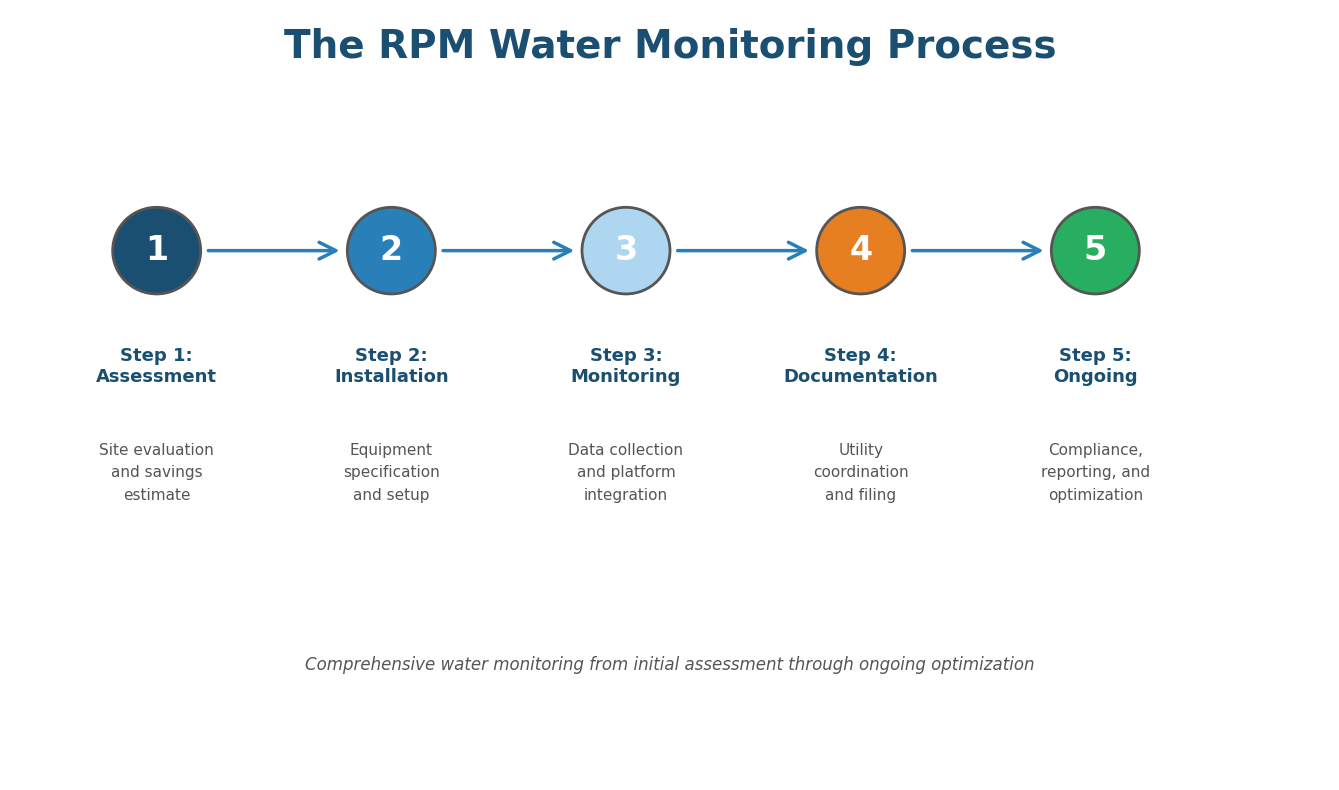
Step 1: Site Assessment and Savings Estimate
The process begins with a detailed evaluation of your facility’s water systems. RPM reviews your utility bills, interviews your operations team, visits the site, and documents all the ways water flows through your building. The goal is to identify non-sewer water uses and estimate how much water bypasses the sewer system entirely.
For most commercial facilities, the primary non-sewer water use is a cooling tower system. A midsize office building with a five hundred ton cooling system can lose one to three million gallons per year to evaporation, depending on climate and operating hours. Every one of those gallons is currently billed as wastewater under the utility’s assumption that it entered the sewer.
Other common non-sewer uses include irrigation, boiler makeup water, humidification, and specialty process water in manufacturing or data center environments. A detailed assessment identifies which of these applies to your facility and in what volume. For a more detailed look at cooling towers specifically, see our post on cooling tower readiness for credit programs.
Once the assessment is complete, RPM calculates the estimated non-sewer volume and projects annual savings based on your local water and sewer rates. This number tells you whether a monitoring program is worth the effort and cost. For many facilities, the savings potential runs into five or six figures over a five year horizon, making the investment in metering and monitoring economically justified.
Step 2: Equipment Specification and Installation
Once you decide to proceed, RPM specifies the metering equipment needed to document non-sewer water use. The meters installed depend on your facility’s configuration, but the principle is consistent: you measure water going into non-sewer equipment and water coming back out (if any), and the difference is your documented non-sewer consumption.
For cooling towers, the standard configuration involves two meters: a makeup water meter on the supply line feeding the tower, and a blowdown meter measuring water discharged from the tower to the sewer. The difference between makeup and blowdown is evaporated water, which is non-sewer consumption. RPM specifies meter types, sizes, and locations to meet utility standards. Most utilities have specific requirements for meter accuracy, pipe size compatibility, and installation location.
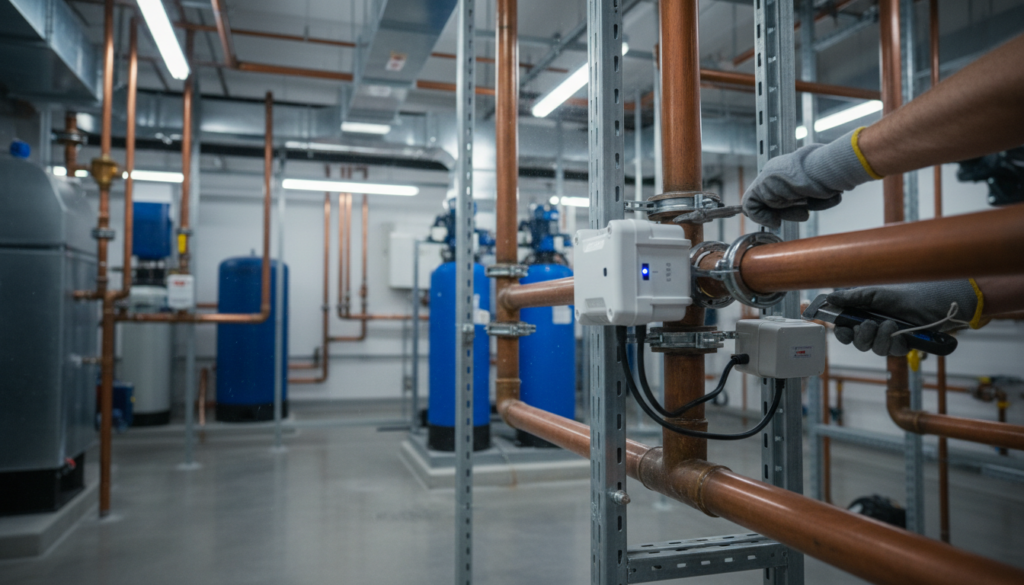
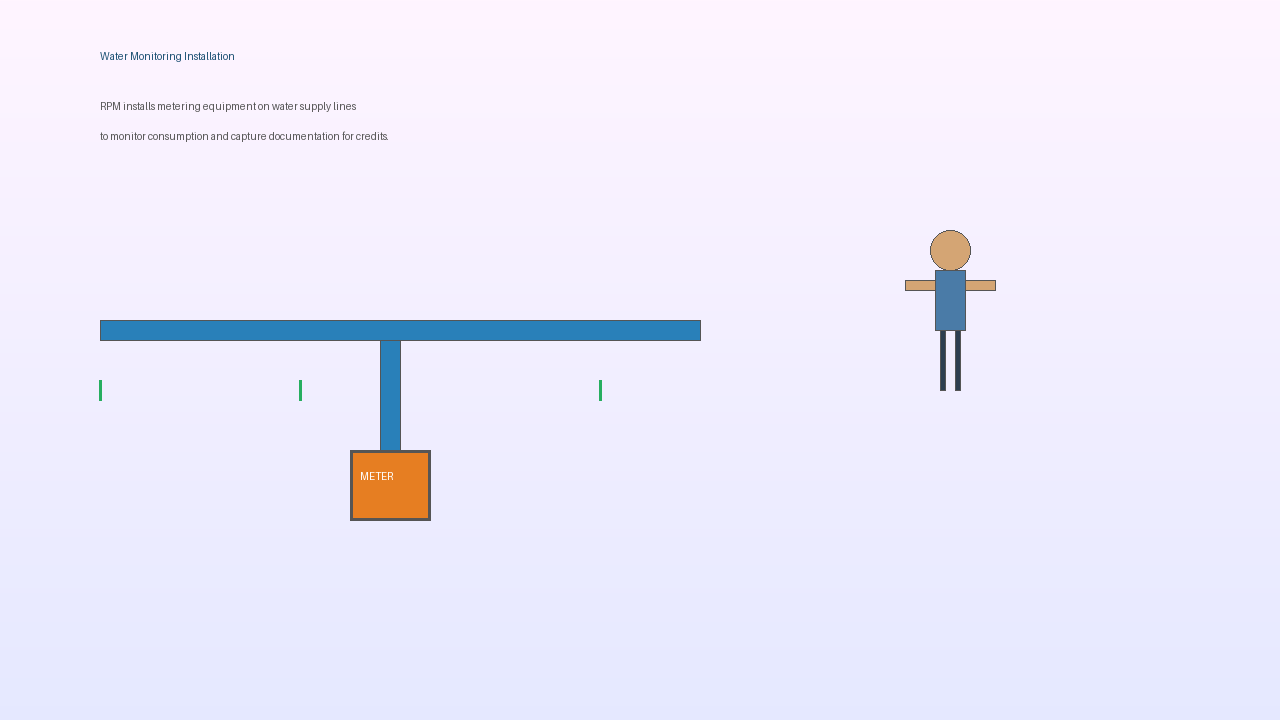
Installation is straightforward and non-invasive in most cases. Meters are installed on supply or discharge lines using standard couplings. No major excavation or system modifications are required. RPM coordinates with your facilities team to schedule the work at a time that minimizes operational disruption. The meters are read manually or connected to automated data loggers depending on your preference and the utility’s requirements.
The meters themselves are standard commercial grade equipment. Installation costs are modest relative to the annual savings a credit program generates. In most cases, the metering investment pays for itself within the first year of documented credit recovery.
Step 3: Data Collection and the Monitoring Platform
After installation, the real value begins: continuous monitoring with smart water monitoring technology. RPM’s platform collects meter readings automatically (or gathers them manually, depending on your equipment), processes the data, and makes it accessible through a custom dashboard. You can see your water usage broken down by system in real time.
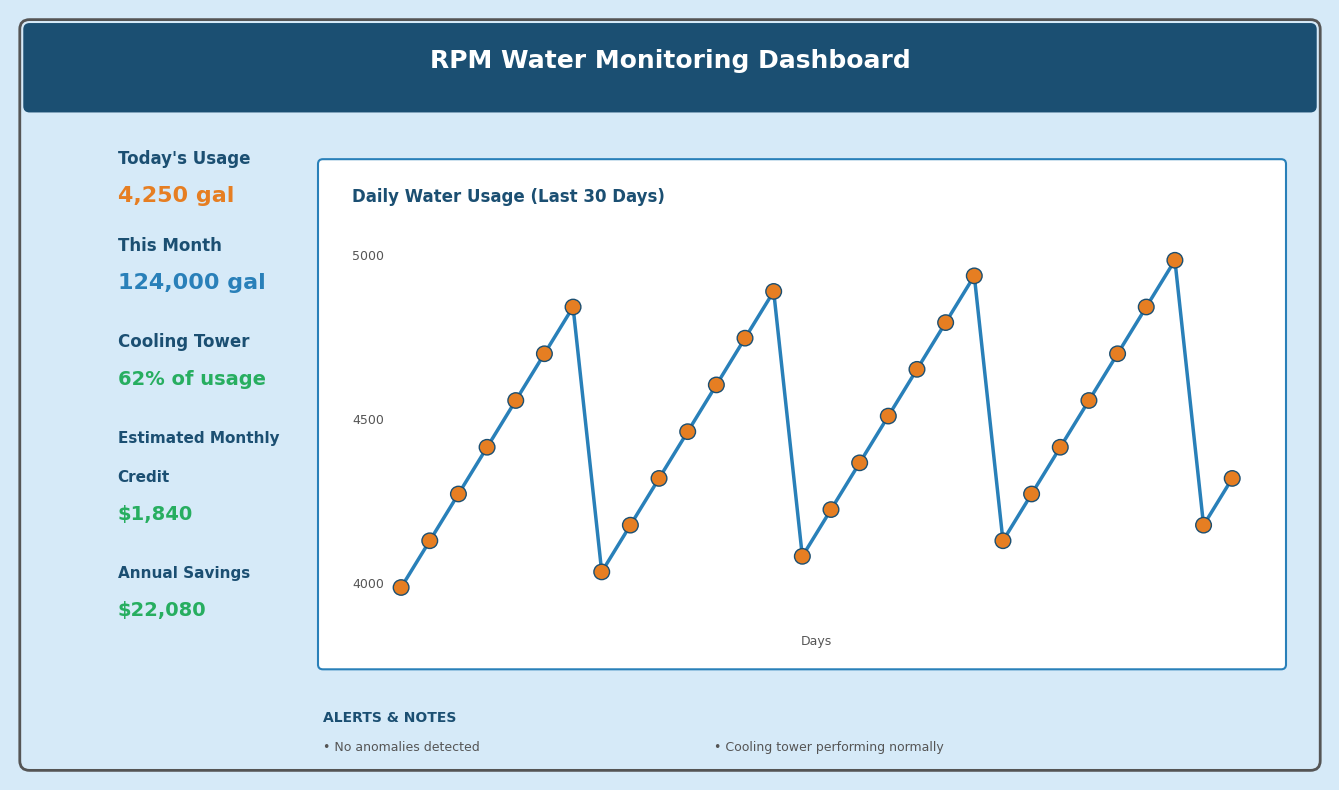
The dashboard shows you several critical data points. Daily consumption totals help you spot anomalies: if cooling tower usage spikes unexpectedly, you catch the issue immediately rather than discovering it weeks later in a utility bill. Monthly trend data reveals seasonal patterns and helps you understand which systems consume the most water. Alerts notify you automatically if readings fall outside expected ranges, which often signals equipment problems like a stuck fill valve on a cooling tower or a slow leak in a makeup water line.
Beyond billing documentation, this data is operationally valuable. You learn which systems consume the most water, how weather affects your usage, and where efficiency improvements might yield the greatest returns. Some of RPM’s clients have cut water consumption by ten to fifteen percent through operational changes identified by analyzing the monitoring data, separate from any billing credit. The facility water consumption tracking infrastructure pays dividends beyond the sewer credit.
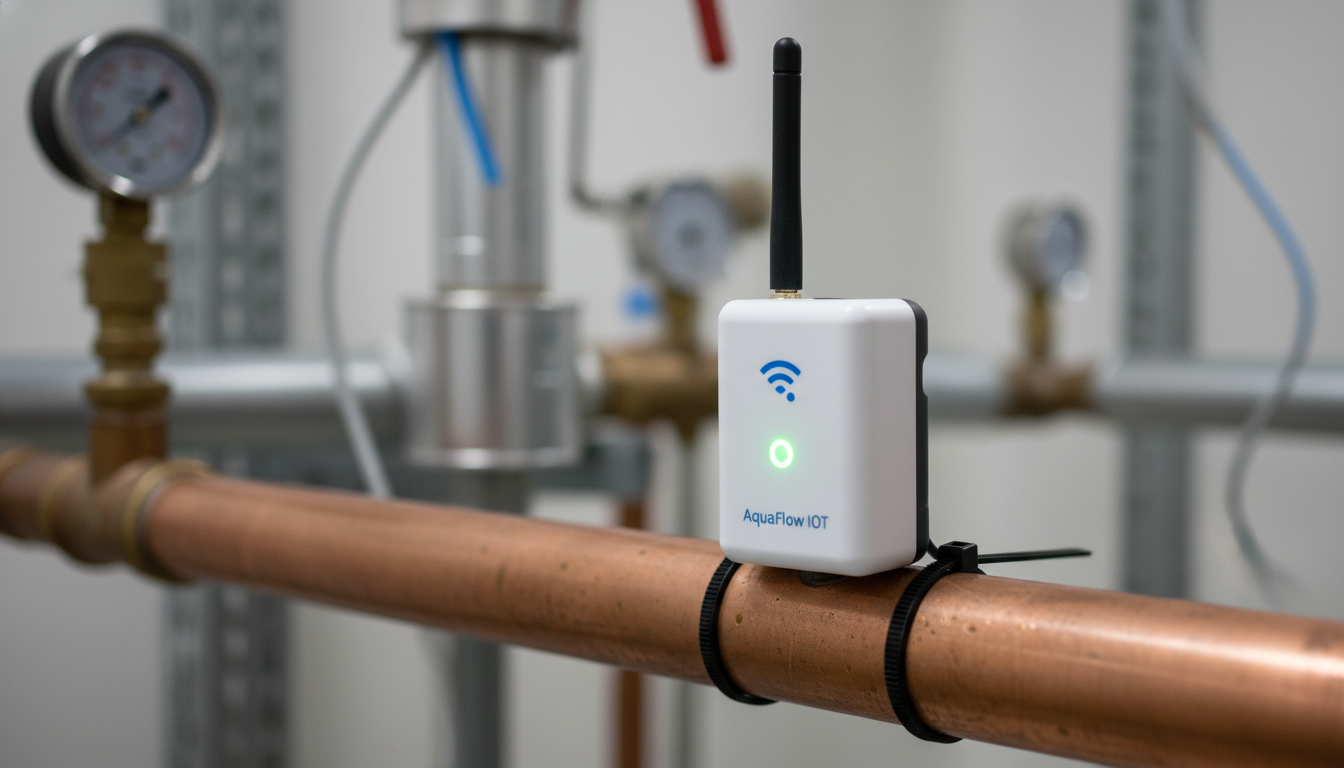
Data flows continuously into the platform through IoT water meters and automated data loggers. RPM handles all the technical infrastructure: data storage, processing, integration with your building systems if you choose that option, and security of your information. You focus on running your facility. RPM manages the data stream.
Step 4: Documentation and Utility Coordination
Armed with several months of metered data, RPM prepares the documentation required by your utility to approve a sewer credit. This step is where most facilities stumble. Different utilities have different requirements. Your local water authority may demand specific forms, engineering calculations, meter calibration certificates, site plans, and supporting documentation. Submitting incomplete or incorrectly formatted applications results in rejection and delays that can push approval timelines out by months.
RPM knows your utility’s requirements. We have processed hundreds of applications across the jurisdictions where our clients operate. We prepare the submission package, gather all supporting documents, format everything to specification, and handle the submission. The application includes your metered data, engineering calculations showing the water balance, equipment specifications, site diagrams, the utility’s own forms, and any other documentation the utility requires.
Once submitted, utilities typically take four to twelve weeks to review and approve. Some are faster, and some require clarifications or additional documentation before granting approval. RPM manages this correspondence, answers technical questions, and advances the application through the approval process. You do not have to decode utility communications or understand recalibration requirements. We handle it.
Once approved, the utility adjusts your sewer charges going forward. The credit is typically applied automatically, reducing your monthly sewer bill based on the documented non-sewer volume. For many facilities, monthly savings range from one thousand to five thousand dollars, depending on facility size and local sewer rates.
Step 5: Ongoing Management, Reporting, and Optimization
Getting a sewer credit approved is not the end of the relationship. It is the beginning of an ongoing program that requires active management. Most utilities require annual revalidation of credit documentation. Others require meter recalibration or renewal applications on a periodic basis. Missing a deadline can result in your credit being suspended until the paperwork catches up, leaving you overpaying for sewer until the credit is reinstated.
RPM manages this compliance calendar. We track revalidation deadlines, renewal requirements, and any changes to your utility’s program rules. We monitor your monthly bills to ensure credits are applied correctly and catch billing errors before they compound into thousands of dollars of overpayment. We provide you with quarterly and annual reports showing your consumption, documented non-sewer volumes, and actual credit realized. Most important, we optimize the program over time: as your building systems change or operate differently, we update the documentation to reflect the current reality and maximize the credit you are eligible for.
Ongoing management is where the difference emerges between a one-time filing and a living program. A credit that was accurate two years ago may understate your current savings opportunity if you upgraded your cooling system or changed operating hours. RPM’s annual review process identifies these changes and adjusts your documentation accordingly, ensuring you capture your full savings potential.
What You Will See: Dashboards, Reports, and Alerts
Throughout this process, you have visibility into commercial water monitoring metrics and the status of your credit program. RPM provides custom dashboards that update continuously as meter data flows in. You can see daily consumption, track it against historical patterns, and receive alerts if usage falls outside expected ranges.
Beyond dashboards, RPM delivers monthly reports summarizing your water usage, a breakdown of consumption by system if you have multiple meters, and the non-sewer volume documented for billing purposes. Quarterly reports provide trend analysis and identify seasonal patterns. Annual reports summarize total consumption, total documented non-sewer use, credits realized, and any recommendations for optimization or system improvements.
You receive notifications if meters stop reporting data, if readings spike unexpectedly, or if any other anomaly is detected. This early warning system catches equipment problems that would otherwise run unnoticed for weeks or months, consuming water and money with no visibility until the bill arrives.
How RPM’s Approach Differs From a Single Audit
Many facilities have had a one time energy or water audit. An auditor comes, walks through the building, generates a report with recommendations, and leaves. The report sits on a shelf because acting on it requires time, coordination, and ongoing attention that most facility teams do not have available.
RPM is fundamentally different. We do not hand you a report and leave. We install the equipment, manage the data infrastructure, prepare and file the utility documentation, and then monitor the program continuously. We are accountable for getting you approved and keeping you approved. If there is a billing error, we catch it. If a deadline is approaching, we manage it. If your facility changes in a way that affects your savings potential, we update the documentation and capture the incremental benefit.
The second difference is data continuity. A one time audit captures a snapshot in time. Continuous monitoring creates a record that spans years. That historical data becomes increasingly valuable: you can see how your consumption changes with weather, operating hours, and equipment changes. Most utilities trust historical data more than they trust engineering estimates. After you have two years of metered data in their system, reapproving your credit becomes faster and easier because the data speaks for itself.
For a more detailed comparison of why monitoring is more effective than a single assessment, see our post on water monitoring ROI and real numbers.
Understanding the Economics
RPM operates as a partner in your savings. We do not charge installation fees or separate service charges for managing your program. Instead, we take a percentage of the savings your facility realizes. This aligns our interests completely with yours: we succeed only when your credit is approved and maintained, and when the savings are real.
The metering equipment itself is modest in cost, typically two to five thousand dollars depending on the complexity of your system. Those costs are covered within the service economics. You do not write separate checks to RPM for meters, equipment, or service fees. You pay RPM through a portion of the monthly credit your utility applies to your bill.
For most facilities, this means RPM’s service is cash flow positive from the first month the credit is approved. If your facility realizes a one thousand dollar monthly credit and RPM’s share is thirty percent, your net benefit is seven hundred dollars per month from day one. Over the lifetime of your program, the economics are significant.
Getting Started: The Next Step
The first step is always a free evaluation of your utility bills and facility profile. RPM reviews your historical consumption, identifies potential non-sewer water uses, and estimates your savings potential. If the numbers justify moving forward, we schedule a site visit to confirm details and finalize the scope.
If your facility has cooling towers, irrigation, boilers, or significant process water uses, the savings potential is likely substantial. The time and effort required to manage a credit program on your own is significant, and the risk of missing deadlines or billing errors compounds the opportunity cost.
Schedule a walkthrough of the monitoring platform and discuss what a program would look like for your facility. We will walk through the dashboard, explain the process, and answer any questions about how the program works.
Ready to Find Out What You Could Save?
RPM Water Equity Solutions helps commercial facilities recover money lost to sewer billing assumptions. If your building has a cooling tower, chiller, or any system where water doesn’t return to the sewer, you may be overpaying every month.
Request your free assessment today and find out how much you could recover.
